Pine Creek Decommissioning

Date: Summer 2024
Timeline: 1 month​​​​​​​
Client: Journey Energy Inc.​​​​​​​
Site: Pine Creek Facility

Project Overview

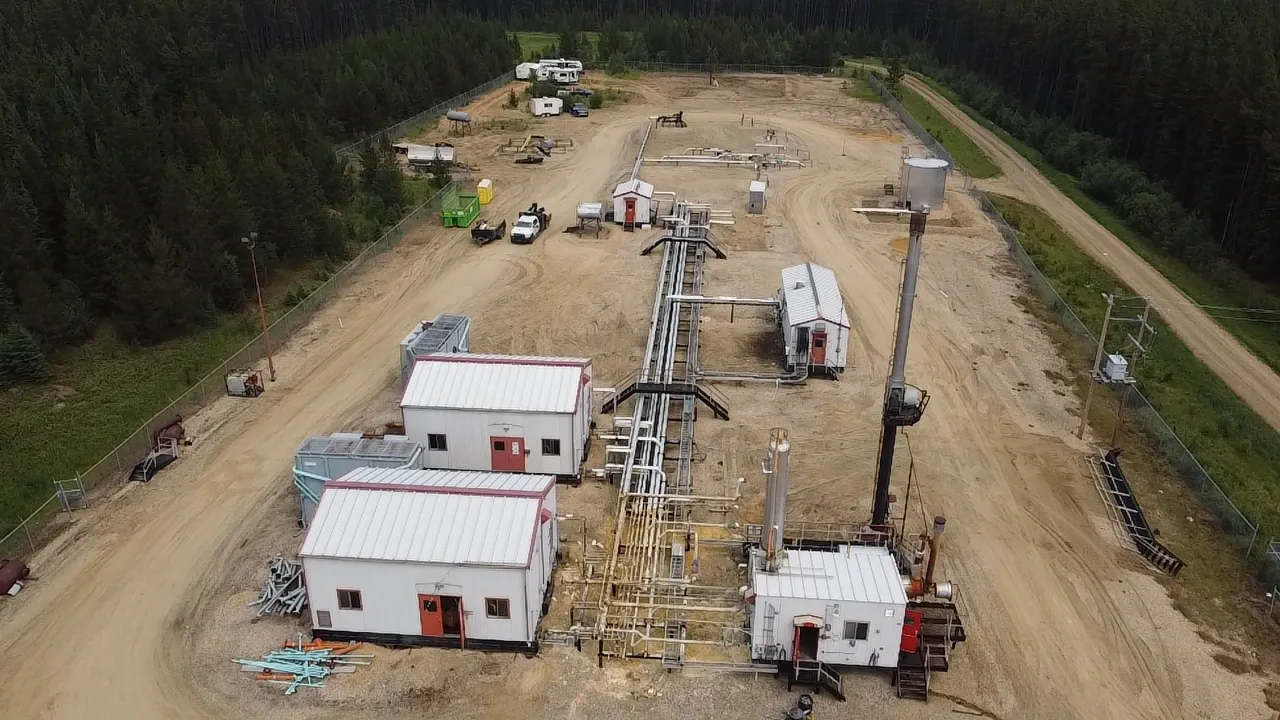
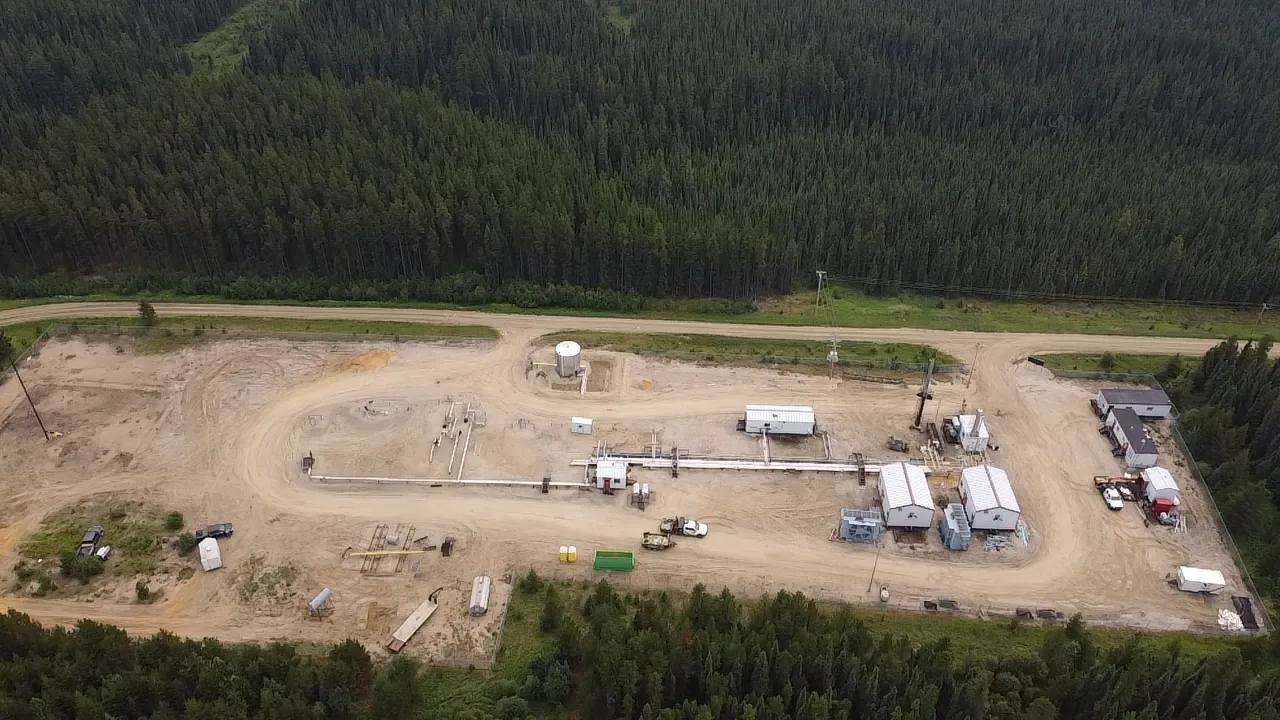
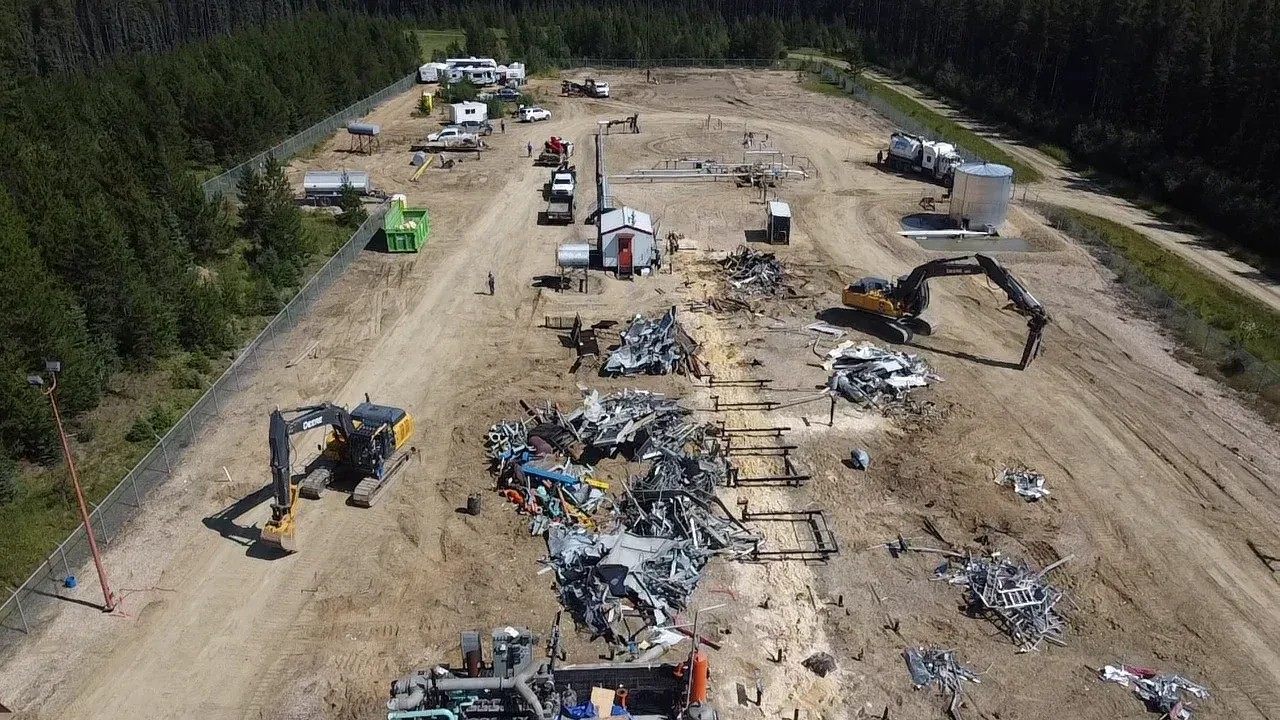
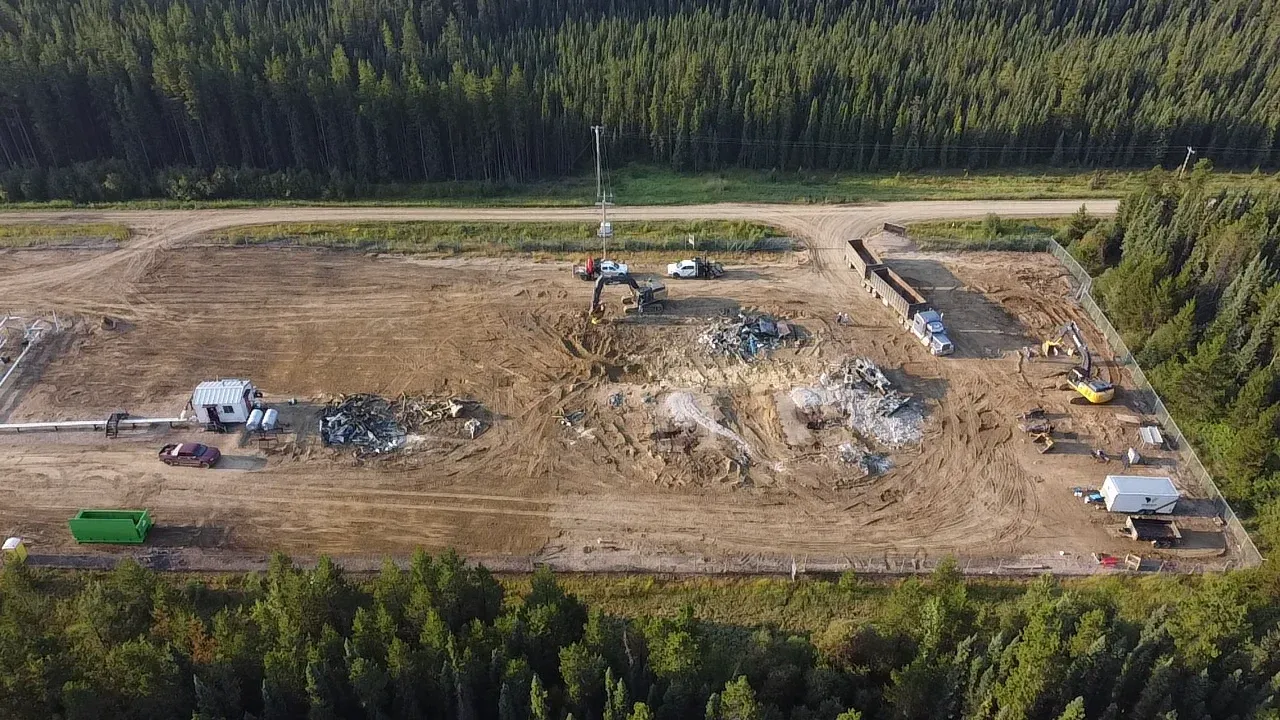
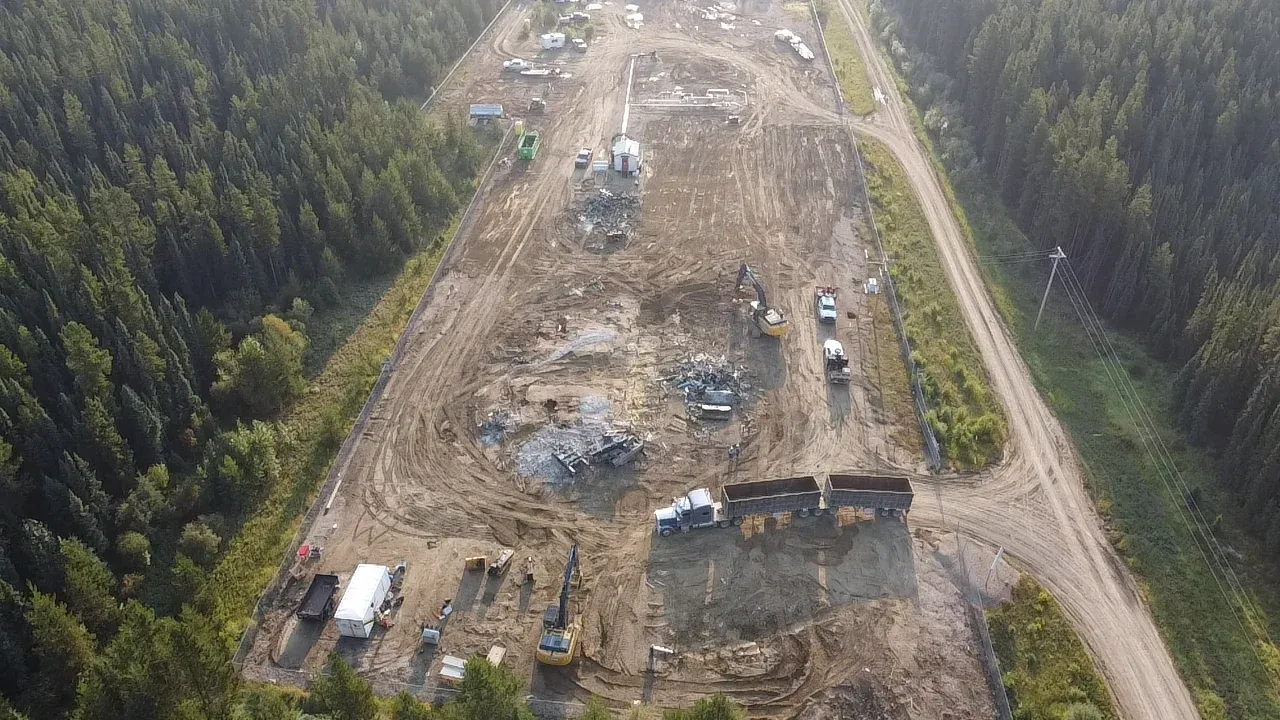
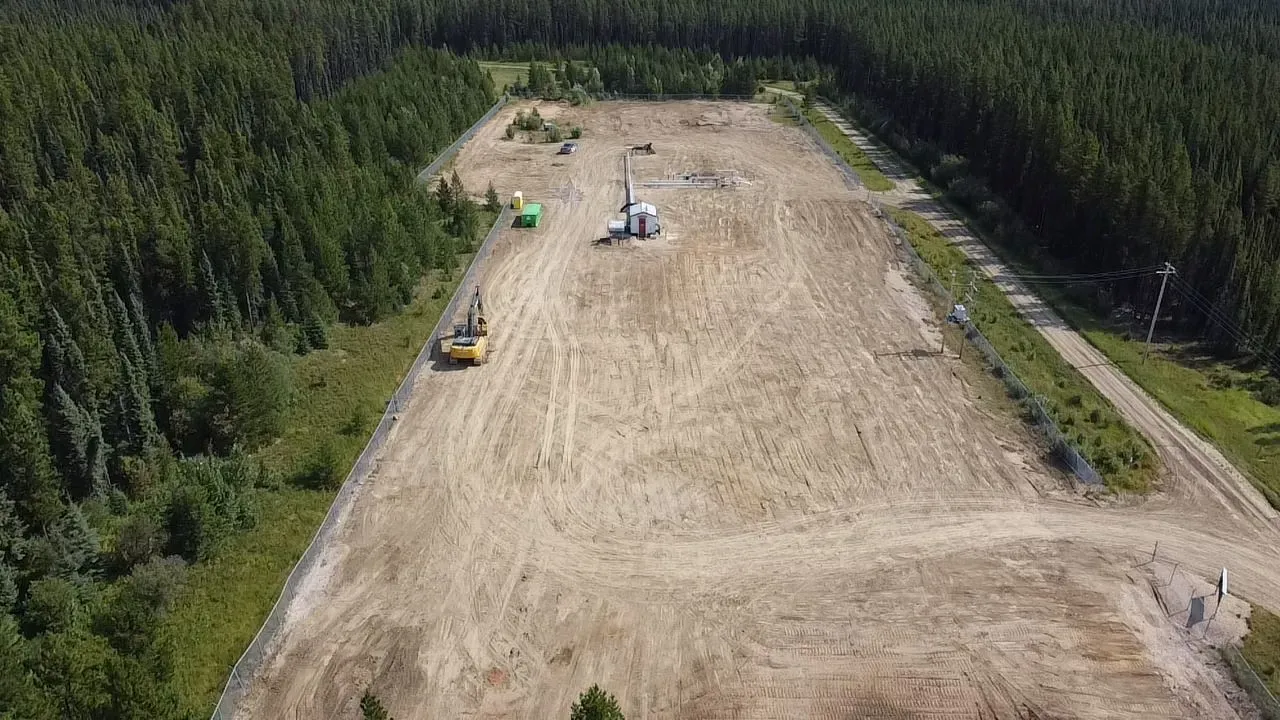
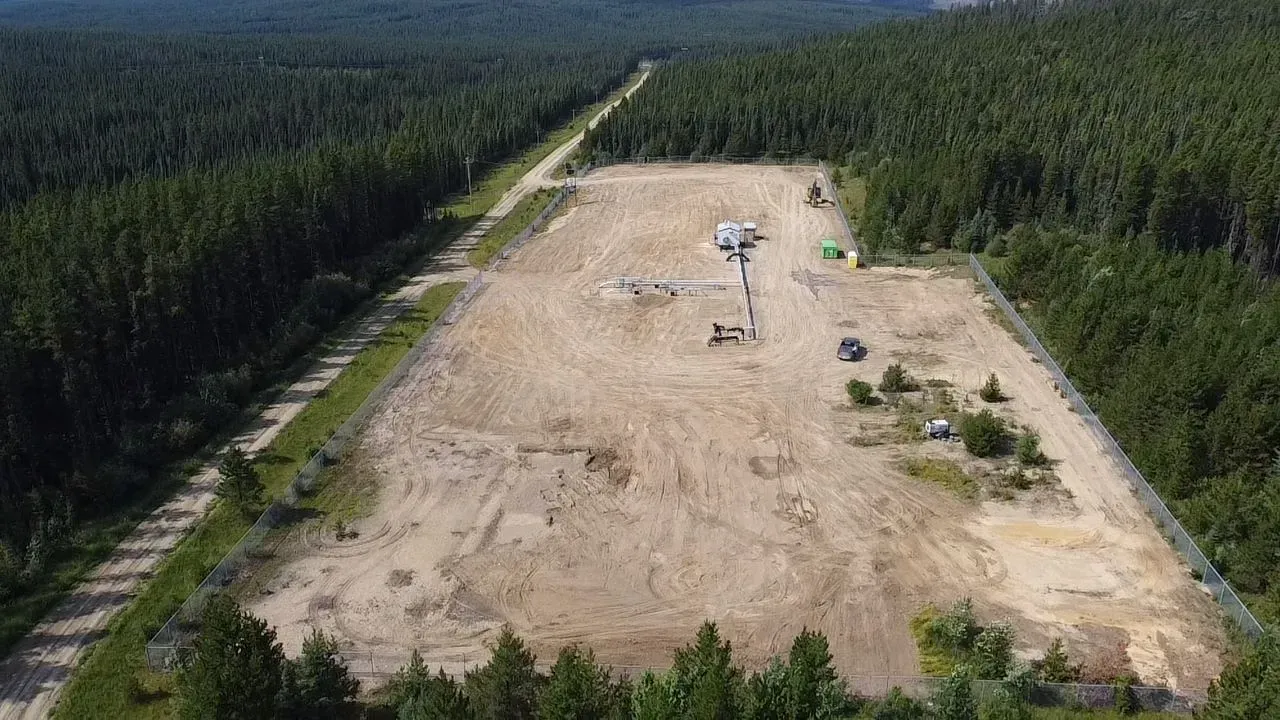
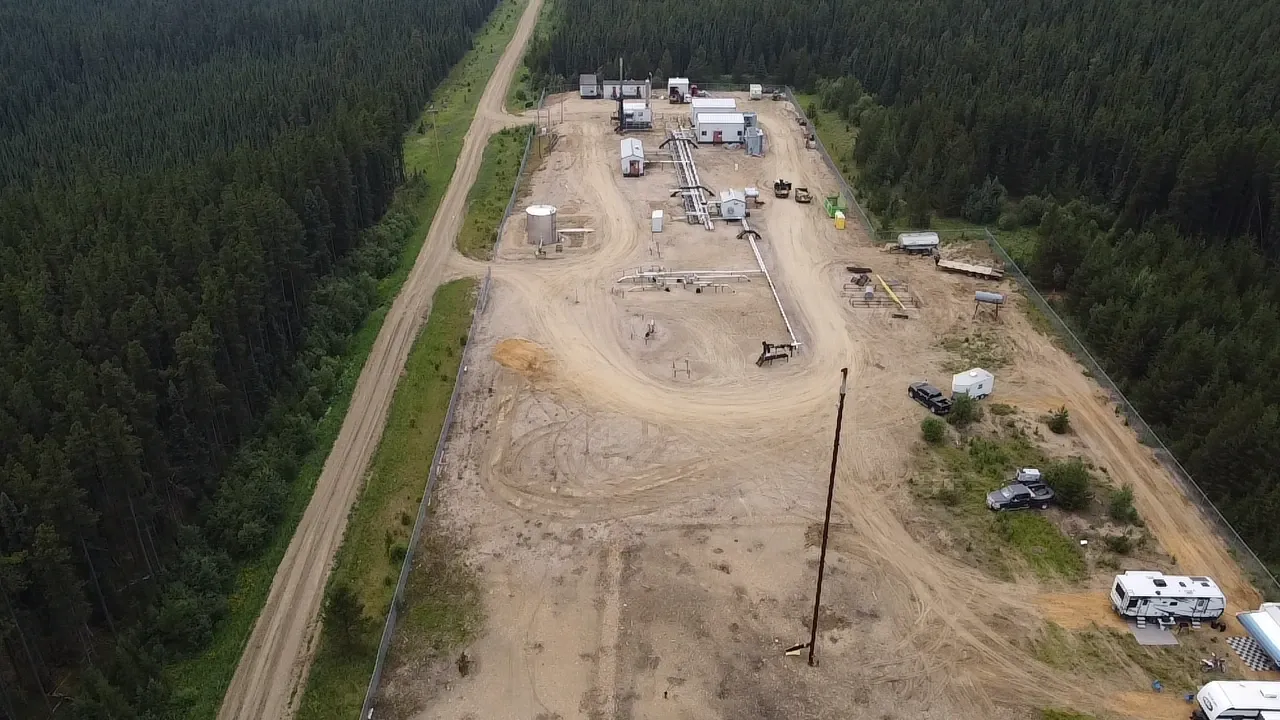
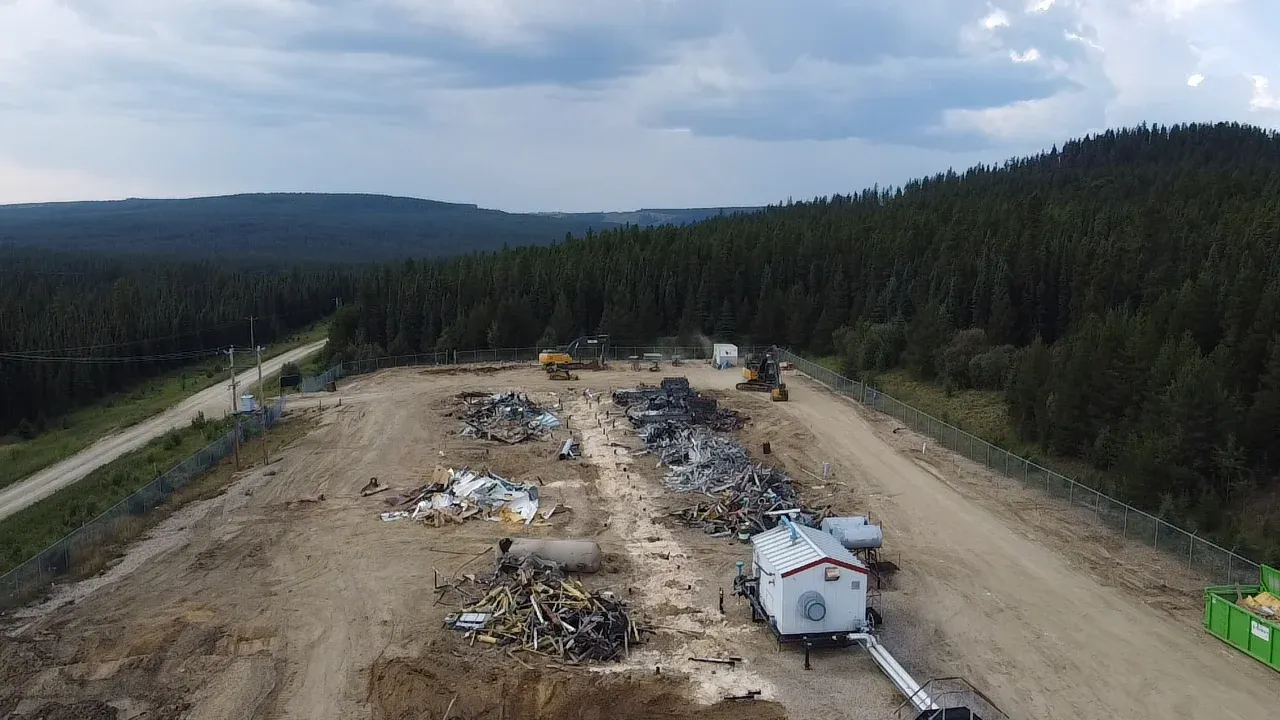
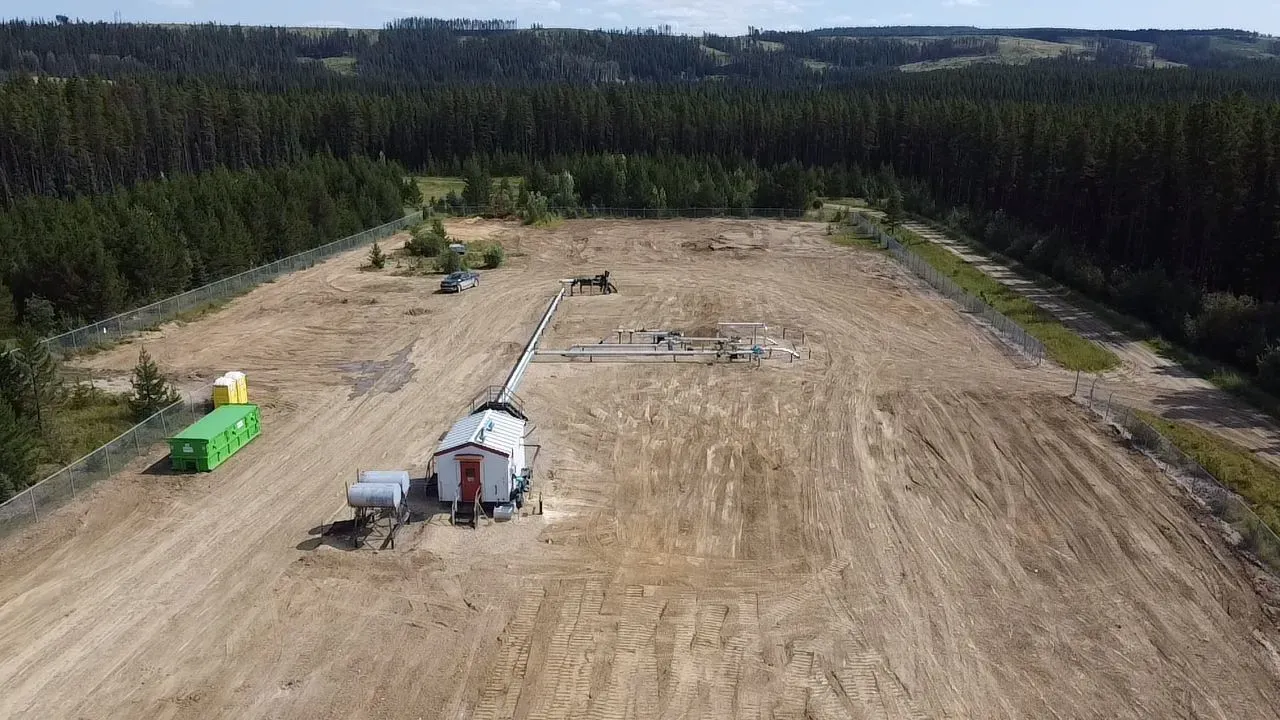
Wayco Environmental was contracted by Journey Energy Inc. to decommission the Pine Creek facility. The work required a full decommissioning approach—hydrocarbon removal and cleaning first, followed by systematic demolition, underground removals, and final site clean-up—while managing changing site conditions, including heavy rain and access constraints.


Before
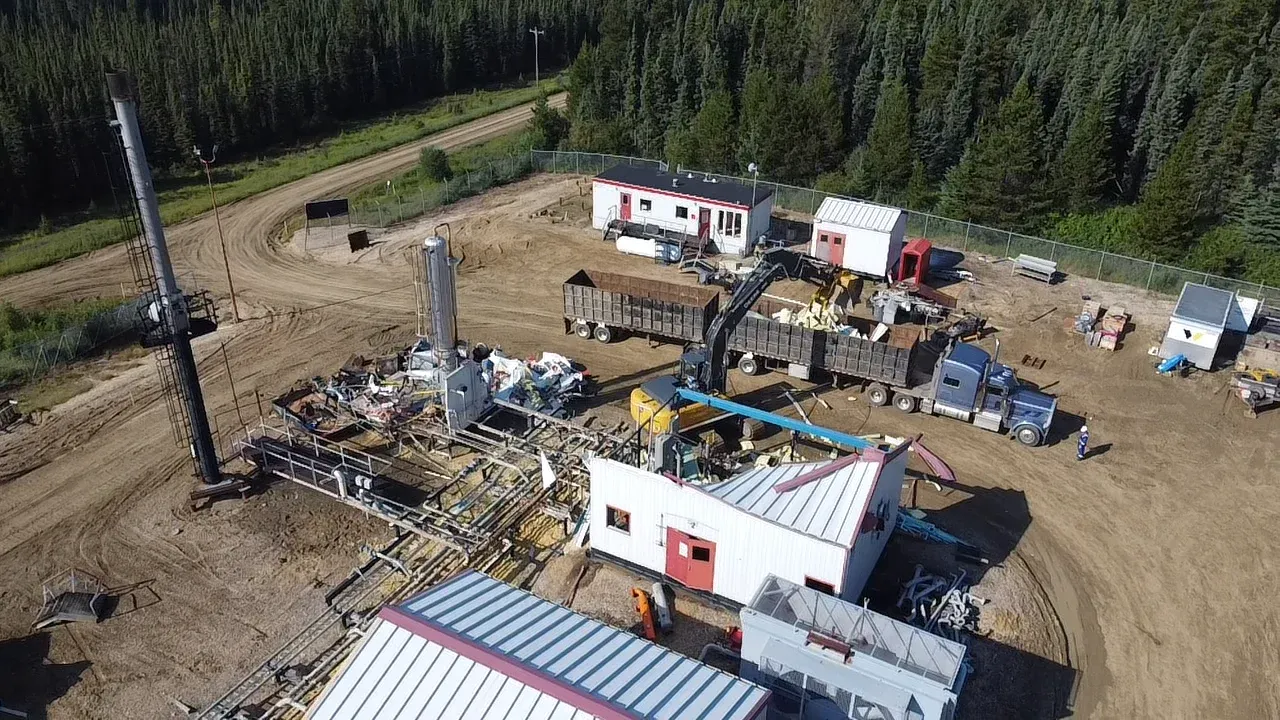
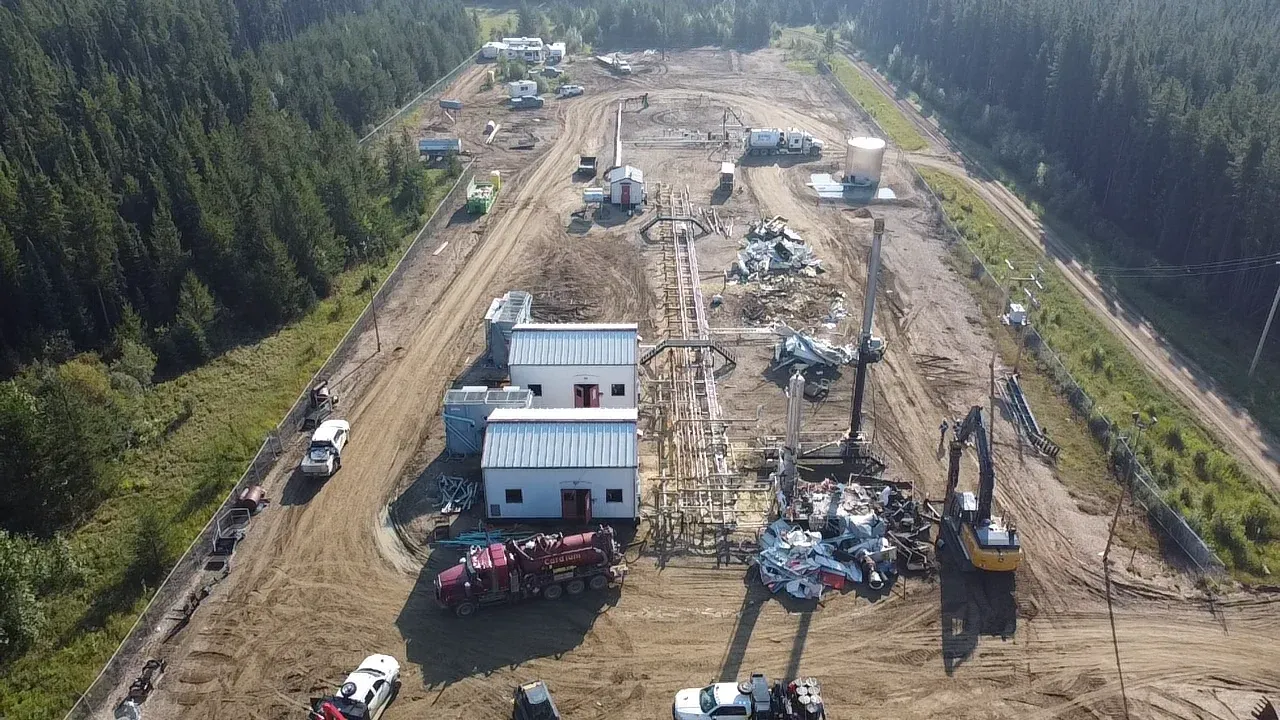
During
After
The Challenge

Pine Creek was an active decommissioning environment with multiple moving parts.

  • Hydrocarbon handling and cleaning across process equipment and piping (including dehy, glycol, separators, compressors, flare systems)
  • Tie-ins to operating systems, requiring coordination to depressurize/disconnect safely
  • Significant demolition and material management, including scrap handling, salvage, and disposal logistics
  • Underground complexity, including buried piping, cable, pilings, tanks, septic, and ground beds

Wayco’s Execution

Phase 1

Mobilization, Site Setup & Safety

Wayco mobilized our crews, job trailers, and camp to support continuous field execution. Early work included hazard assessments and daily scope discussions. Wayco also began early asset recovery, including selling compressor parts on behalf of the client.


Phase 2

Hydrocarbon Removal, Cleaning & System Prep

  • Draining/steaming dehy skid and associated piping/tanks
  • Draining/steaming/cleaning piping and equipment across the site
  • Completing draining/steaming of the glycol piping system and boiler
  • Running pigs through underground lease piping
  • Steaming and purging the propane tank
  • Managing fluids and hauling to disposal (e.g., loads to Secure)
  • Coordinating around flare piping that remained tied into an operating separator/header until it could be depressured and isolated

A key turning point came when operations shut in and depressurized connected pipelines, allowing flare piping to be safely disconnected and blinded and foam pigs to be run through the underground flare piping.


Phase 3

Demolition, Shearing & Salvage Coordination

With cleaning and isolation complete, the project moved into dismantling and demolition, with Wayco coordinating alongside specialty partners.

  • Removal of scrap and garbage from buildings and trailers
  • Stripping insulation and removing cable from trays
  • Prepping compressors for removal; removing salvageable valves
  • Drilling holes and removing tags from vessels to be destroyed
  • Total trucking coordination for hauling major equipment (compressors, dehy tower/skid) for scrapping
  • Salvage handling: moving storage shed and salvageable equipment for storage; loading compressors/parts for salvage and sale


Phase 4

Underground Removal, Excavation & Site Restoration

Wayco’s excavation and removals scope was extensive and included:

  • Hydrovacing to daylight buried cable and piping around the header and wellhead areas
  • Excavation and removal of flare piping, buried cable, and the flare KO tank
  • Removal of pilings across multiple site areas (office/shed/high line/dehy/compressor skids), including large-volume piling removal days (dozens at a time)
  • Removing buried cable/piping from office/shop areas and on-lease
  • Removing the septic tank; managing concrete disposal loads to landfill
  • Excavating and removing ground bed/cathodic lines to rectifier area
  • Managing impacted/contaminated concerns: noted impacted soil at the flare KO excavation, and contamination/fire risk around the flare stack area (left to air out before backfilling)
  • Backfilling, cleanup, and final demobilization once conditions allowed (including weather-related delays)
  • Final closeout included last hauling (remaining pilings), site grading/track packing ruts, demobilization of crews/equipment, AB-10 completion, and as-builts/pictures.